
If buyers came through your door and still walked away, here’s what was really happening.

You did everything right. You kept the house clean, left during showings, and waited for your phone to ring.
Then nothing. Maybe one showing, maybe eight. Your agent said the feedback was “positive.” Buyers seemed interested. No one made an offer.
If that’s where you are, here’s the first thing to know: you’re not imagining it, and it’s not random. There are real, fixable reasons buyers tour a home and walk away. I’ve seen this pattern dozens of times, and when sellers relist with the right fixes in place, many sell fast. Here’s what’s usually behind it.
“But the feedback was positive…”
Buyer feedback after a showing is almost always softened. “Nice home, just not for us” often really means “the price felt off” or “something made us uncomfortable,” but few buyers say that directly. That’s why showings without offers feel so disorienting, the signals you’re getting don’t match what buyers actually felt. So let’s skip the filtered version and go straight to the real reasons.
Reason #1: The Price Feels Off (Even If It Isn’t Technically “Too High”)
Pricing is the single most common reason buyers tour a home but don’t make offers, and it’s rarely about being grossly overpriced. It’s about price perception: how your home’s price feels compared to everything else a buyer has seen that week. Your home can be priced at fair market value and still lose to a comparable home that simply feels like better value. If buyers are touring your home and buying somewhere else, that comparison is usually your answer.
Reason #2: The Listing Photos Created the Wrong Expectations
Buyers often decide whether they’re interested before they ever arrive. If your listing photos undersold the home, buyers never booked the showing. If the photos oversold it, looked brighter, bigger, or more polished than reality, buyers feel a quiet letdown the moment they walk in, and that gap is hard to recover from in twenty minutes. Either way, why buyers don’t make offers often traces back to a mismatch between what they expected and what they found.
Reason #3: The Home Didn’t “Feel Right”: A Staging Problem
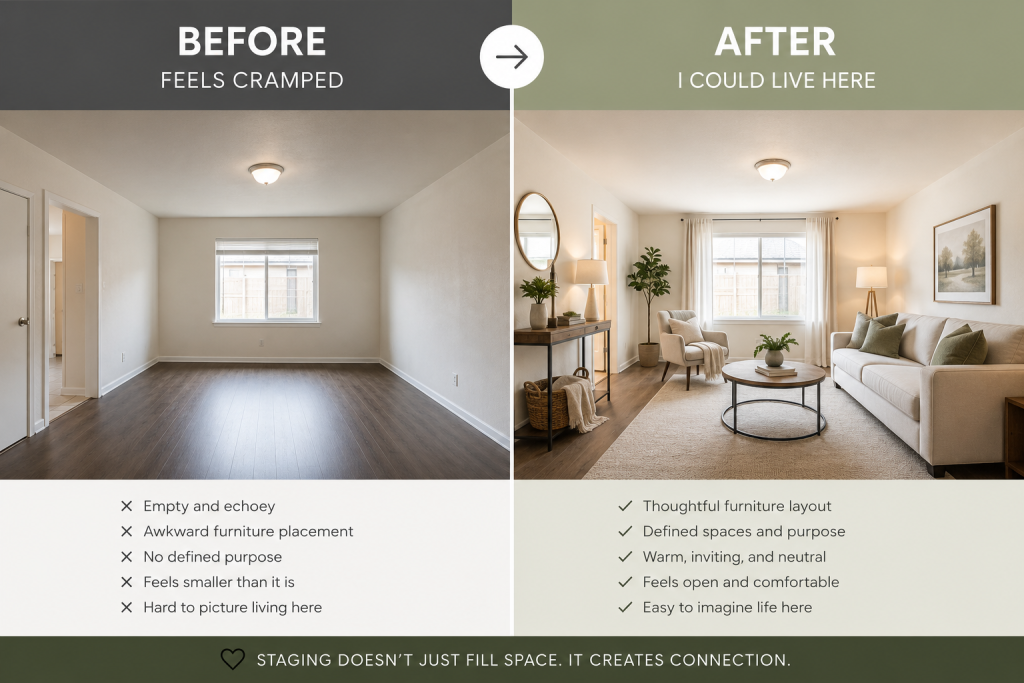
Buyers buy emotionally first and justify it with logic later. A home that feels cluttered, cold, or full of someone else’s life makes that emotional connection hard to form, even if every box on their checklist is technically met. The fixes are usually small: decluttering, neutralizing personal items, giving every room an obvious purpose, and clearing up small deferred-maintenance issues that quietly raise doubt. If buyers walked through and “just didn’t feel it,” staging was very likely part of the story.
Reason #4: The Showing Experience Itself Was a Problem
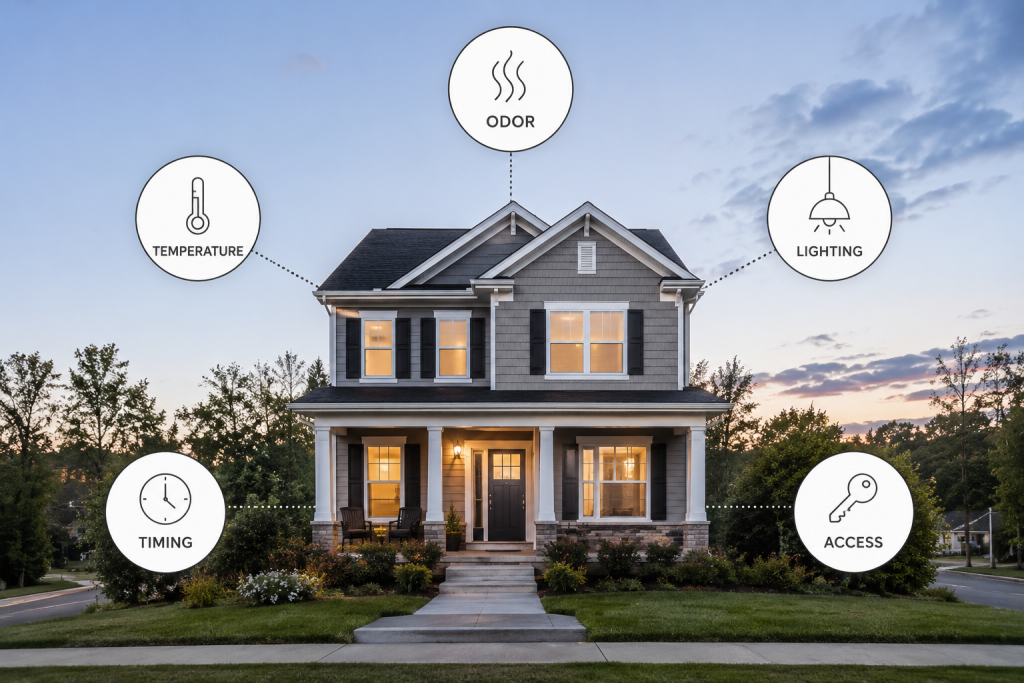
Small things sink showings that buyers rarely put into words: an odor, a too-cold or too-warm house, dim lighting, awkward timing that rushes the visit, or a showing process that’s simply hard to schedule. None of these should cost an offer. They quietly do, because no one mentions them in feedback.
Reason #5: The Listing Wasn’t Positioned to Attract the Right Buyer
Every home has an ideal buyer. When a home gets traffic but no offers, the marketing sometimes reached the wrong buyers, people who could afford it but didn’t actually want what it offered. The fix isn’t always a lower price. Sometimes it’s a different story, told to a more specific audience.
Understanding Buyer Psychology: What’s Happening in Their Head
Most sellers assume buyers make decisions based on price, size, and features. In reality, buying a home is highly emotional. Buyers often decide how they feel first, then use logic to justify that feeling.
That’s why a home can check every box and still receive no offers. The numbers may work, but the emotional connection is missing.
During a showing, buyers are:
Looking for a connection. They want to walk in and feel, “This could be home.” If that feeling doesn’t happen quickly, they often start focusing on reasons not to buy.
Assessing risk. Visible flaws, maintenance concerns, or anything unexpected can raise doubts and make the home feel like a potential problem.
Imagining their future. Buyers try to picture their furniture, family, and daily life in the space. Clutter, odors, or distractions can break that vision.
Comparing your home to others. Buyers aren’t judging your home alone. They’re measuring it against every other property they’ve seen. If another home feels more inviting or offers better value, they’ll likely move on.
Understanding buyer psychology is the foundation of successful selling. Pricing, staging, photography, and presentation all work together to create the emotional connection that turns interest into offers.
Buyer Hesitation and How I Remove It
Buyer hesitation is one of the biggest reasons homes don’t sell. Even interested buyers can walk away if uncertainty outweighs confidence.
Here are the most common concerns I help eliminate:
“Is the price right?”
Buyers need to feel they’re getting value. I use a strategic pricing approach so your home stands out favorably against competing properties.
“What problems am I not seeing?”
Hidden issues create doubt. Pre-listing inspections, repair records, and transparent disclosures help buyers feel confident about what they’re purchasing.
“I need to think about it.”
This often means there’s no urgency. Through targeted marketing and strong showing activity, I create momentum that encourages serious buyers to act.
“I can’t picture myself living here.”
Buyers need to envision their future in the home. Strategic staging, decluttering, and thoughtful presentation help create that emotional connection.
“Is this the right neighborhood, market, or timing?”
Major financial decisions come with anxiety. Providing clear market data, neighborhood information, and local insights helps buyers feel informed and confident.
The common thread is uncertainty. My job is to replace uncertainty with clarity, making it easier for buyers to move forward with confidence and submit an offer.
What Showings Without Offers Are Really Telling You
Step back, and a pattern emerges: buyers were interested enough to show up. That means the right buyer is out there. The problem isn’t the home, it’s the strategy used to sell it, and strategy is fixable. I’ve relisted homes that sat for months and sold them in days, usually with a few targeted changes: a price adjustment, new photos, restaging, or a sharper story for the right buyer.
FAQS
Why did my home get showings but no offers? Usually one of five things: the price didn’t feel competitive, the photos didn’t match reality, the home didn’t feel emotionally “right,” something about the showing created friction, or the marketing reached the wrong buyers. It’s rarely just one cause, and almost never means your home is unsellable.
Why don’t buyers make offers after a showing they seemed to like? Buyers buy emotionally, then justify it with logic. Liking a home isn’t the same as feeling confident enough to commit. Hesitation, doubt about price, hidden problems, or no urgency, is what usually keeps an interested buyer from writing an offer.
Why isn’t my home selling even though it shows well? “Showing well” and “priced and positioned well” aren’t the same thing. A home can look great and still lose to a competing listing that feels like better value or reaches the right buyer more directly.
Does a price reduction always fix the problem? Not always. Price is one lever, but staging, photography, showing experience, and buyer positioning matter just as much. Sometimes the better fix is repositioning the home, not just lowering the number.
What should I do if my listing already expired? Diagnose what actually happened before relisting. A clear, honest review of pricing, presentation, and marketing usually reveals exactly what to change the second time around.
Ready to Understand Your Options?
If you’ve been sitting with the question “why did my home get showings but no offers?”, this post is a starting point, but it’s just that: a starting point.
The real answer requires looking at your specific home, your specific market, and your specific listing through honest, experienced eyes.
That’s exactly what my free resource, “My Home Didn’t Sell. What Now?” is designed to help you do.
Inside, you’ll find:
- A clear breakdown of the most common reasons homes expire and how to identify which ones applied to yours
- What to look for in an agent before you relist (and the questions you should be asking)
- How to approach a second listing strategically so you’re not repeating the same mistakes
- What buyers are actually thinking and how to position your home so the right one stops walking away
This isn’t a sales pitch. It’s a roadmap for homeowners who are done being confused and ready to move forward with a plan.
You’ve already been through the frustration of a listing that didn’t work. You don’t have to stay stuck in it. The next chapter looks a lot different when you go in with the right information.


 EN
EN
 ES
ES